Amid rising cyber threats, organizations face sophisticated attacks where artificial intelligence amplifies risks. Ransomware remains a pers...
Amid rising cyber threats, organizations face sophisticated attacks where artificial intelligence amplifies risks. Ransomware remains a persistent danger, encrypting data and demanding payment for access. This guide explores prevention strategies, focusing on AI's role in enhancing attacker capabilities, drawing from recent insights into how hackers integrate technology at every attack phase.
Understanding Ransomware and AI Integration
Ransomware operates by infiltrating systems, encrypting files, and extorting victims. Attackers deploy malicious software that locks data, often spreading via phishing or vulnerabilities. AI enters this equation by automating processes, making threats more efficient. For instance, generative tools craft convincing phishing emails or analyze vast datasets to identify weak points.
Definitions clarify the landscape: Ransomware is malware that restricts access until ransom is paid, typically in cryptocurrency. AI in cyberattacks refers to machine learning algorithms that optimize reconnaissance, exploitation, and evasion. Common variants include locker ransomware, which encrypts files, and leakware, which threatens data exposure.
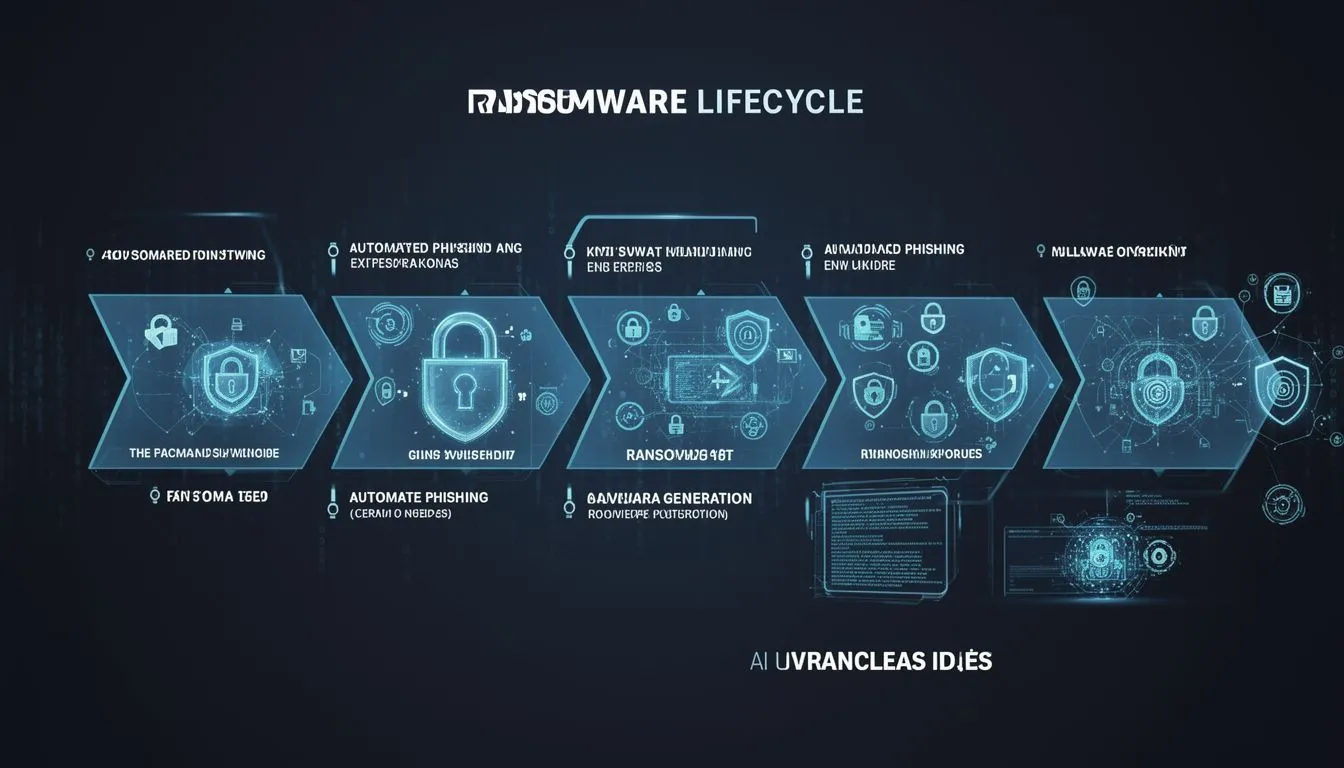
Threat actors leverage AI to scale operations, reducing the skill barrier for entry-level hackers. Reports highlight how AI aids in debugging code or summarizing stolen information, streamlining post-breach activities.
Common Mistakes in Ransomware Defense
Organizations often overlook basic hygiene, such as irregular patching, leaving systems exposed. Relying solely on antivirus without layered defenses invites breaches, especially when AI helps evade detection. Another pitfall involves inadequate backup strategies; many store copies on networked drives, accessible to intruders.
Underestimating employee training leads to phishing successes, where AI-generated lures mimic legitimate communications. Decision-makers sometimes prioritize convenience over security, like enabling macros in documents, facilitating initial access.
Ignoring supply chain risks compounds issues, as third-party vulnerabilities provide entry points. Frameworks for decisions should weigh cost against potential downtime, favoring proactive measures over reactive recovery.
Decision Framework for Prevention
Assess vulnerabilities first by mapping assets and threats. Prioritize based on impact: Critical data warrants stronger protections. Evaluate tools through a lens of integration; choose solutions that complement existing infrastructure without creating silos.
Weigh multifactor authentication against user friction, opting for adaptive methods that escalate based on risk. Backups demand scrutiny: Test restoration regularly and isolate them offline. When considering AI defenses, balance automation benefits with oversight to prevent false positives.
- Identify high-value targets like financial records or intellectual property.
- Compare encryption standards, favoring those aligned with regulatory requirements.
- Factor in response time; frameworks should include escalation paths for incidents.
This approach shifts from reactive to strategic, embedding prevention into operations.
Hypothetical Example Scenario
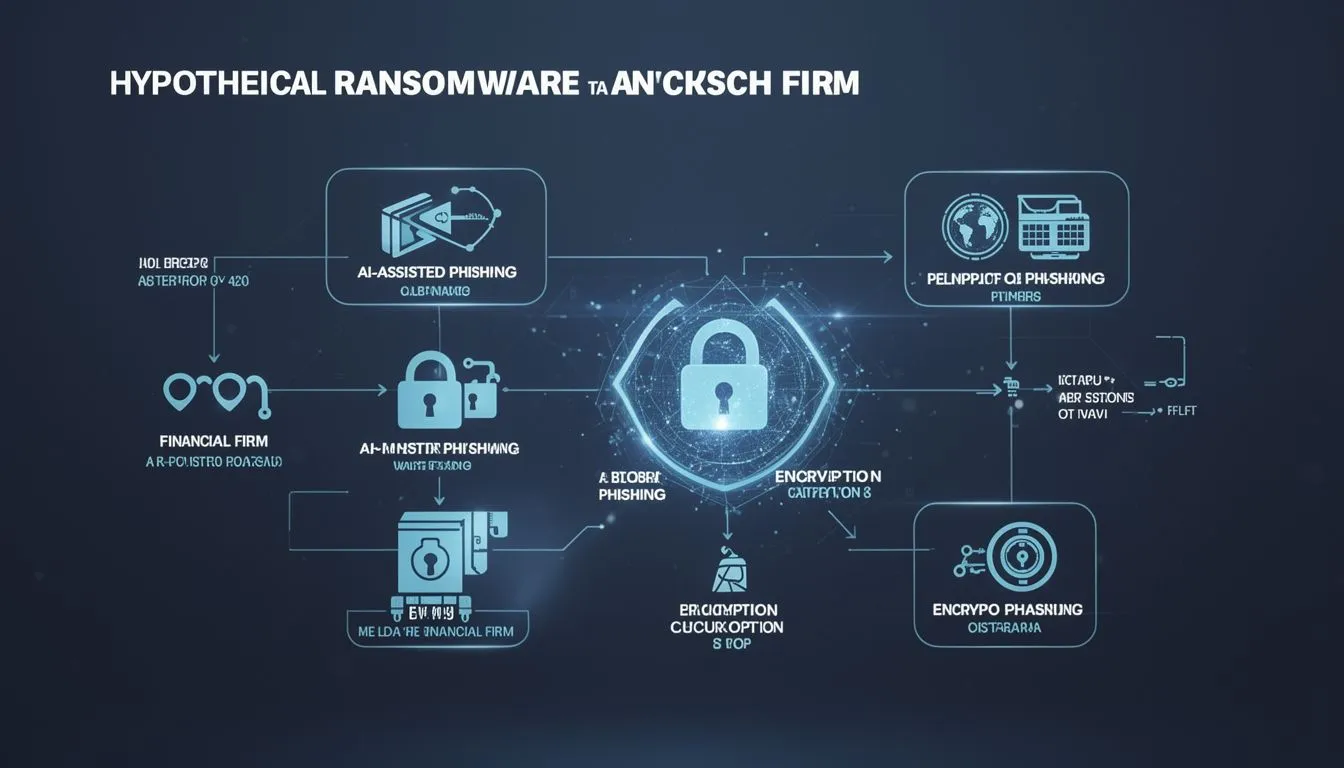
Imagine a mid-sized financial firm receiving an email purporting to be from a trusted vendor. The message, crafted using AI to mimic the vendor's style and include personalized details, contains a link. An employee clicks it, unknowingly installing malware. Within hours, the ransomware spreads, encrypting servers. AI assists the attackers in prioritizing valuable data for exfiltration before demanding payment. The firm, lacking isolated backups, faces days of downtime and potential data leaks, highlighting gaps in training and segmentation.
Role of AI in Evolving Threats
Hackers employ AI across reconnaissance, where algorithms scan for weaknesses faster than humans. During exploitation, AI refines payloads to bypass defenses. Post-compromise, it automates data analysis, identifying sensitive information efficiently.
Countering this requires adaptive security. Machine learning can detect anomalies, but overreliance risks adversarial attacks where hackers poison models. Balance emerges from hybrid approaches, combining AI with human oversight.
Check out our interactive, on-demand set of six incident response training modules on ransomware prevention on FedVTE! Log in to learn six preventative controls to help #StopRansomware: https://t.co/B0p9jYyaJJ
— June 23, 2023
Insights from authorities underscore the need for updated strategies against these amplified threats.
Primary Strategies for Mitigation
Segmentation limits lateral movement; isolate networks to contain breaches. Encryption protects data in transit and at rest, rendering it useless if stolen. Monitoring tools flag unusual activity, such as mass file changes indicative of encryption.
Collaboration with peers shares threat intelligence, enhancing collective defenses. Regulatory compliance, like adhering to standards, bolsters resilience. CISA's StopRansomware Guide offers comprehensive best practices for preparation and response.
Another key resource is NISTIR 8374: Ransomware Risk Management, which profiles cybersecurity frameworks tailored to ransomware threats. Microsoft's guidance, detailed in Protect Against Ransomware, emphasizes limiting damage scope through quick actions.
The #FBI and its partners released an updated #StopRansomware guide to help network defenders reduce the likelihood and impact of ransomware attacks. Updates include guidance on Server Message Block protocol and preventing common Initial Access Vectors: https://t.co/ZQFHXs4pRN
— October 19, 2023
These sources provide foundational elements for building robust defenses.
Emerging Considerations in Crypto and Finance
In finance, ransomware intersects with cryptocurrency, often used for payments due to anonymity. Prevention involves monitoring transactions and educating on wallet security. AI exacerbates risks by generating deepfakes for social engineering, targeting executives.
Avoid common errors like storing keys online; offline hardware offers safety. Decision frameworks here include assessing ransom payment viability, generally discouraged as it funds further attacks.
Global readers benefit from understanding these intersections, as threats transcend borders.
Action Points
- Conduct regular vulnerability assessments and apply patches promptly.
- Implement employee awareness programs focusing on AI-enhanced phishing.
- Maintain offline, immutable backups tested for recovery.
- Adopt zero-trust architecture to verify all access.
- Engage in threat intelligence sharing with industry groups.
This article is for informational purposes only and does not constitute legal or investment advice. Consult professionals for tailored guidance.


COMMENTS