Refusing IRS Crypto Tax Forms Risks Account Closure The U.S. Internal Revenue Service has introduced proposals that could significantly imp...
Refusing IRS Crypto Tax Forms Risks Account Closure
The U.S. Internal Revenue Service has introduced proposals that could significantly impact cryptocurrency users on major exchanges. Refusing to accept new tax forms electronically might lead to account termination, affecting how investors manage their digital assets. This development underscores the growing intersection of tax compliance and account security in the crypto space.
As cryptocurrency adoption rises globally, understanding these tax obligations becomes crucial for users worldwide. Even non-U.S. residents trading on platforms subject to IRS rules may face indirect effects through exchange policies. This article explores the implications, offering practical guidance on navigation while emphasizing security considerations.
Understanding Form 1099-DA: The New Crypto Tax Reporting Tool
Form 1099-DA, or Digital Asset Proceeds From Broker Transactions, is a tax document designed specifically for reporting cryptocurrency transactions. Introduced for the 2025 tax year, it requires brokers like exchanges to report gross proceeds from sales or exchanges of digital assets. This form aims to enhance transparency and ensure accurate tax reporting for crypto activities.
Unlike traditional 1099 forms, the 1099-DA focuses on digital assets, including cryptocurrencies and NFTs. Brokers must send this form to both the IRS and the user by January 31 following the tax year. It reports details such as transaction dates, proceeds, and eventually cost basis starting in later years.
For global users, this form highlights how U.S. regulations influence international platforms. Many exchanges operate under U.S. jurisdiction or comply voluntarily to maintain access to American markets. Non-compliance could trigger broader issues, including restricted trading features.
The IRS Proposal on Electronic Delivery of Tax Forms
In early March 2026, the IRS proposed rules allowing crypto brokers to mandate electronic delivery of Form 1099-DA. Previously, brokers had to offer paper copies upon request, but the new guidelines eliminate this requirement. This shift streamlines operations for exchanges but places the onus on users to adapt.
The proposal permits brokers to terminate relationships with customers who refuse electronic consent. This means exchanges like Coinbase or Kraken could close accounts of non-compliant users. The rules are open for public comment until May 2026, with potential finalization later in the year.
This change aligns with broader digital transformation in tax administration. It reduces paper usage and speeds up processing, but it also raises concerns about accessibility for users without reliable internet or those preferring physical records. For crypto enthusiasts, staying informed about these updates is essential to avoid disruptions.
Consequences of Refusing Electronic Tax Forms
Refusing to accept Form 1099-DA electronically could result in immediate account restrictions or closure. Exchanges may view this as non-cooperation with regulatory requirements, leading to suspended trading or asset freezes. Users might lose access to their holdings, forcing hurried transfers to compliant platforms.
Beyond account issues, non-compliance could invite IRS scrutiny, including audits or penalties for underreported income. The IRS uses these forms to match reported transactions against tax returns, flagging discrepancies automatically. Global users on U.S.-regulated exchanges face similar risks, as policies often apply universally.
Long-term effects include damaged credit or difficulties opening new accounts elsewhere. Exchanges share compliance data, potentially blacklisting repeat offenders. Understanding these outcomes encourages proactive engagement with tax obligations in the crypto ecosystem.

Security Implications in Crypto Tax Reporting
Electronic delivery of tax forms introduces cybersecurity risks, as sensitive financial data travels digitally. Phishing attacks targeting tax-related emails could trick users into revealing personal information or wallet keys. Cybercriminals often impersonate the IRS or exchanges to exploit this vulnerability.
Data breaches at exchanges pose another threat, exposing user tax details to hackers. Historical incidents, like major exchange hacks, show how compromised accounts lead to identity theft or financial loss. Users must verify communications and use secure methods to access forms.
In the finance realm, insecure handling of tax info can lead to broader fraud, such as fake refund claims. For crypto holders, this intersects with wallet security, where tax non-compliance might indirectly expose assets. Prioritizing security protocols mitigates these interconnected risks.
Practical Guidance for Crypto Tax Compliance
Start by reviewing your exchange's tax policy updates regularly. Most platforms notify users about IRS requirements via email or in-app alerts. Enable electronic consent promptly to avoid any service interruptions.
Maintain accurate records of all crypto transactions, including buys, sells, and transfers. Use reliable tracking tools to calculate gains or losses, ensuring your tax return matches the 1099-DA data. Consult tax professionals familiar with crypto regulations for complex portfolios.
For security, download forms from official exchange portals rather than email links. Enable two-factor authentication and use encrypted storage for tax documents. This approach safeguards your financial data while fulfilling obligations.
Risk Checklist for Crypto Investors Facing Tax Requirements
- Have you provided accurate personal information, like SSN or TIN, to your exchange?
- Is your account set up for electronic tax form delivery?
- Do you track cost basis for assets acquired before 2026 or transferred externally?
- Have you verified recent IRS updates on crypto reporting?
- Are your security settings, including MFA, up to date to protect tax-related communications?
- Do you have a plan for handling potential IRS notices or mismatches?
This checklist helps identify gaps in your compliance strategy. Addressing each point reduces the likelihood of account issues or penalties. Regularly revisit it as regulations evolve.
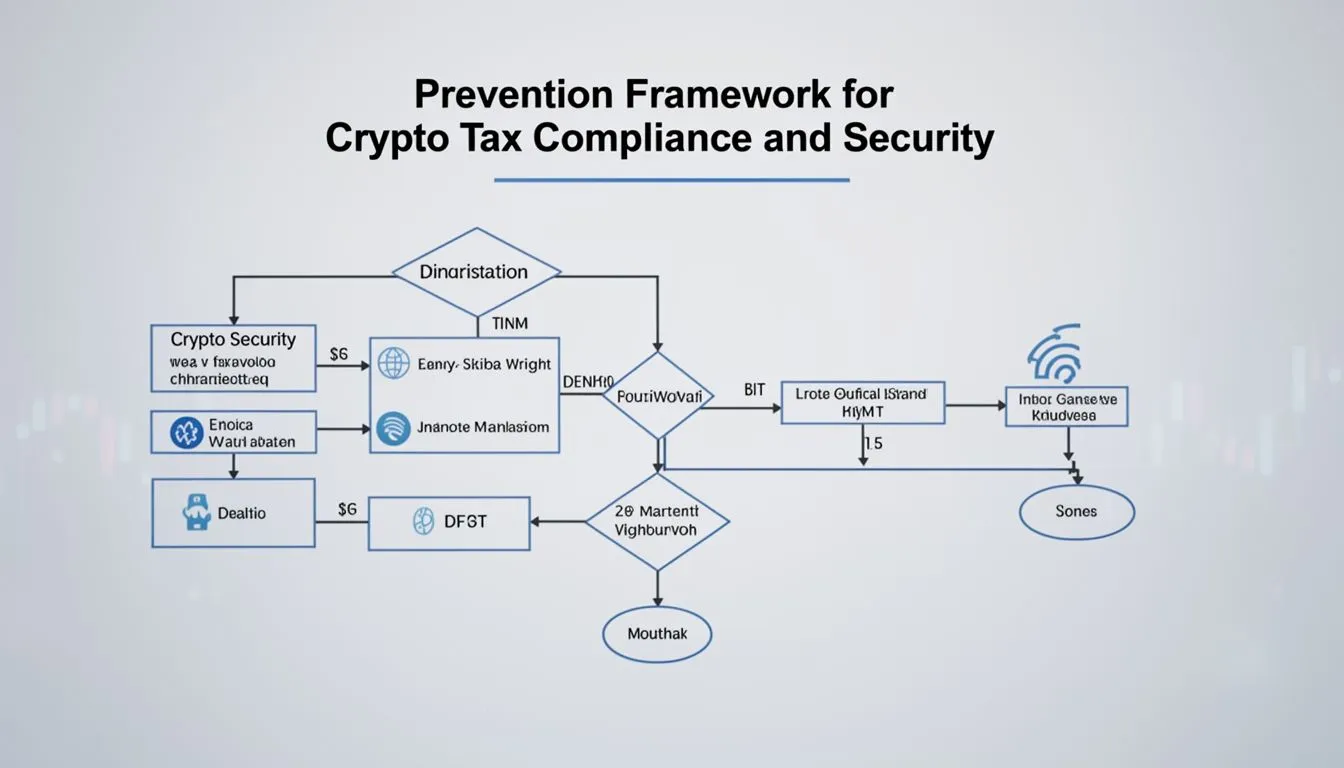
Prevention Framework to Avoid Account and Security Issues
Build a framework starting with education on current tax laws. Stay informed through official IRS resources and reputable finance sites. This foundation prevents surprises from new proposals like electronic mandates.
Incorporate security best practices, such as using hardware wallets for long-term holdings and avoiding public Wi-Fi for tax tasks. Implement regular audits of your transaction history to ensure accuracy before forms arrive.
Develop contingency plans, like identifying alternative exchanges compliant with your needs. Engage with communities or advisors for shared insights on navigating these changes. This proactive structure minimizes risks in the volatile crypto-finance landscape.
Expert Insights from Verified X Accounts
The IRS is planning to catch crypto tax non-filers in a more streamlined way starting the 2025 tax year (next filing season) using 1099-DA Forms. Example: In Jan 2025, you sold 1 BTC on Exchange A for 100K. Exchange A reports this to the IRS directly through Form 1099-DA. You also get a copy of this form. If you don’t report the exact 100K on Form 8949, the IRS systems will automatically detect this and send you a tax notice (AKA a matching notice) asking you to correct the tax return or explain the reason for the difference.
— Shehan (@TheCryptoCPA) December 5, 2025
JUST IN: IRS PUSHES MANDATORY DIGITAL TAX FORMS FOR CRYPTO New rules would allow exchanges to force electronic delivery of Form 1099-DA. Users who refuse could have their accounts closed by popular brokers like Coinbase and Binance.
— TheCoinZone.com (@thecoinzonecom) March 6, 2026
These insights from tax experts highlight the automated enforcement and potential account risks. They reinforce the need for vigilance in crypto tax matters. Always cross-reference with official sources for the latest developments.
In conclusion, the IRS's push for electronic crypto tax forms represents a pivotal shift in finance regulation. By focusing on compliance and security, users can protect their accounts and assets. This educational overview equips global readers with the knowledge to navigate these changes effectively.


COMMENTS