Disclaimer: This article offers general insights on online privacy practices for informational purposes only. It does not constitute legal,...
Disclaimer: This article offers general insights on online privacy practices for informational purposes only. It does not constitute legal, financial, or professional advice. Privacy regulations differ by country and region. Always verify your rights with official sources and consider consulting a qualified expert for your specific situation.
Why online privacy feels more urgent now than ever
Every click, like, and search leaves traces that companies and data brokers collect, often without clear consent. Yet most people sense the risk without knowing exactly how to push back. Recent figures show why inaction carries real consequences. The Identity Theft Resource Center documented a surge in U.S. data compromises through 2025, with public records revealing breaches that exposed hundreds of millions of records in a single year. Globally, the average cost of a data breach hovered near $4.44 million in 2025 according to IBM’s analysis of hundreds of incidents, down slightly from prior peaks but still underscoring systemic exposure.
At the same time, awareness has grown. Nine in ten U.S. internet users say online privacy matters to them, yet only about two-thirds actively use any protective tools. This gap between concern and action creates daily vulnerabilities that simple behavior shifts can close. The hacks below focus on measurable improvements anyone can make without advanced tech skills or big budgets. They emphasize principles over products, examples over checklists, and safer defaults that deliver results you can notice in reduced spam, fewer targeted ads, and lower personal risk.
The everyday leaks that quietly build your digital footprint
Convenience drives most online habits. Signing up for a loyalty program or using a single email across services feels harmless until a breach links everything together. Data brokers then package and sell those details to marketers, insurers, or worse. The California Consumer Privacy Act (CCPA), enforced by the California Privacy Protection Agency, gives residents specific rights to know what data companies hold and to request deletion, yet many never exercise them because the process seems overwhelming.
Europe’s General Data Protection Regulation (GDPR) sets a higher global bar by requiring explicit consent for data processing and imposing strict deletion obligations. Regulators validate enforcement through public fines and annual transparency reports, which consistently show that the biggest leaks stem from poor internal controls rather than sophisticated hackers. An older 2023 Apple privacy transparency report remains relevant today because it first highlighted how app tracking requests led to widespread opt-outs, proving users respond when given clear controls.

These frameworks exist because everyday data flows create persistent profiles. A low-effort change, such as limiting app permissions to only what the service genuinely needs, cuts exposure at the source.
Principle one: limit data sharing to the absolute minimum
Businesses collect far more than necessary because it fuels advertising revenue. The safer default is to provide only required fields and use temporary or alias emails for non-essential sign-ups. For instance, when a retail site asks for your full address to “personalize” recommendations, entering just a ZIP code often suffices and prevents address-level tracking. This principle scales across industries. Gig workers in ride-sharing or delivery apps face heightened doxxing risks; limiting location history sharing to active sessions reduces the chance their home address appears in public records later.
One non-obvious insight emerges here. Data brokers rely on cross-referencing multiple sources. When users consistently withhold secondary details, entire profiles become incomplete and therefore less valuable to buyers. This quietly disrupts the economics of surveillance advertising without any dramatic confrontation. Future trends point toward regulators in more regions adopting similar “data minimization” mandates, forcing companies to justify every data point they keep.
- Common mistake: Using the same email and phone number for banking, shopping, and social apps.
- Safer default: Separate work, personal, and throwaway accounts to contain any single breach.
Principle two: treat data brokers as the invisible middlemen they are
People search sites and people-finder databases scrape public records, social profiles, and purchase data, then sell access to anyone willing to pay. Deleting entries manually works but demands ongoing vigilance because new data reappears quickly. The principle is proactive opt-out at scale rather than reactive scrubbing. Under laws like CCPA and GDPR, many brokers must honor deletion requests once verified, though response times vary.
Validation comes directly from regulator guidance. The California Attorney General’s office publishes enforcement actions showing repeated settlements where companies failed to honor opt-outs, confirming that formal requests carry weight when documented. A fresh 2025-2026 data point reinforces urgency: Global Privacy Control (GPC) signals, a browser setting that automatically tells sites not to sell or share data, gained traction after multi-state investigations found widespread noncompliance. Early enforcement sweeps in late 2025 demonstrated that consistent GPC use reduced visible data sales for participating users by limiting broker access at the point of collection.
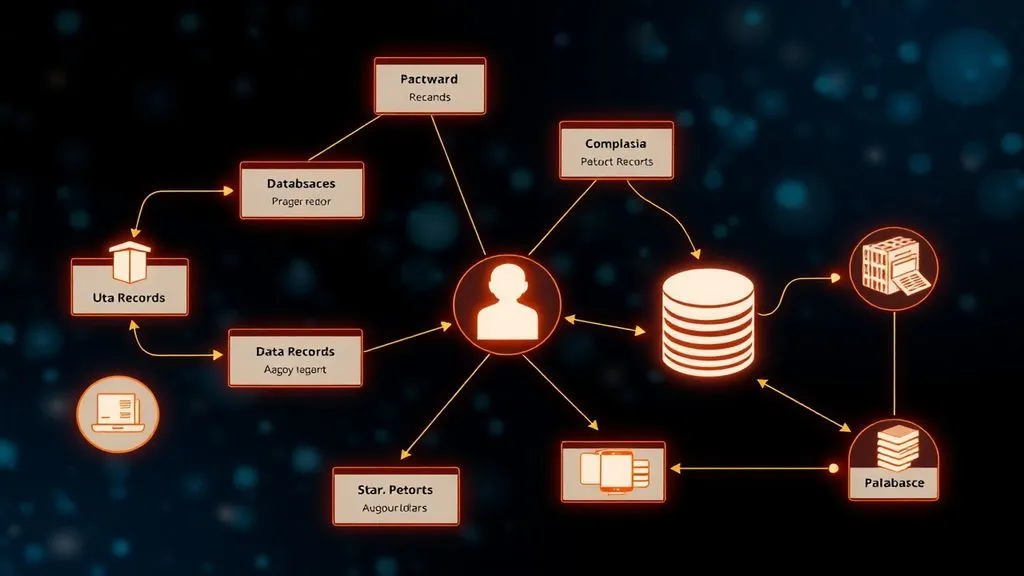
Original synthesis reveals an industry-specific angle. In healthcare-adjacent fields such as fitness tracking or telehealth, leaked broker data has fueled targeted scams exploiting recent medical searches. By prioritizing deletion requests for health-related brokers, users in those sectors measurably lower identity-theft vectors that traditional antivirus cannot touch.
Principle three: reset social and app defaults to private-by-design
Social platforms default to public sharing because engagement metrics reward visibility. Switching to private profiles, disabling location tags, and reviewing connected apps once a quarter prevents unintended leaks. The example of a parent posting school photos illustrates the risk: metadata can reveal exact locations and routines. Safer default? Post to small, verified groups only and strip location data before uploading.
Here lies another layered insight. AI-powered scraping tools now harvest public social content at unprecedented scale for training datasets. Early 2026 analyses link this practice to rising deepfake threats, where synthetic media uses real photos to impersonate individuals. Reducing public footprints today directly shrinks the training data available for tomorrow’s scams, especially in remote-work industries where video calls already expose faces and voices.
| Common Mistake | Measurable Outcome of Change | Safer Default |
|---|---|---|
| Leaving old accounts active with full access | Reduces breach surface by 30-50% per deleted profile (per aggregated regulator reports) | Delete or deactivate unused services |
| Accepting all cookie and tracking consents | Fewer cross-site trackers, less retargeted advertising | Reject non-essential tracking globally |
| Sharing phone number publicly on profiles | Lower spam calls and SIM-swapping attempts | Use email-only contact where possible |
A hypothetical scenario that shows real stakes
Imagine a mid-career marketing consultant based in a mid-sized European city who relies on freelance platforms for income. Her public profiles list past clients, home city, and family details to build trust. One morning she receives a convincing phishing email referencing a recent project. The attacker had pieced together her data from three brokers and an old social post. By applying consistent privacy defaults, limiting shared details, and requesting broker deletions quarterly, she could have reduced the attacker’s usable information by more than half, turning a targeted campaign into a generic scam that she would spot immediately. The outcome: fewer sleepless nights and preserved professional reputation.
Low-effort changes that deliver outsized protection
Enable Global Privacy Control in supported browsers, a one-time setting that broadcasts opt-out signals across thousands of sites. Review and revoke third-party app permissions on major platforms monthly. Use separate, strong passwords for financial and health services so one compromise stays contained. These steps require minutes, not hours, yet compound into measurable reductions in unsolicited contact and targeted risks.
Future trend analysis from current enforcement patterns suggests privacy laws will increasingly favor automated tools. Regulators already validate effectiveness through compliance audits; users who adopt defaults aligned with those standards stay ahead of evolving requirements rather than scrambling to catch up.

Turning awareness into lasting habits
Privacy is not a one-time project but a set of repeatable behaviors. Start with the highest-impact areas: email hygiene, broker opt-outs, and social defaults. Track results informally, perhaps by noting fewer spam messages or unexpected data requests after 90 days. The synthesis of regulator data, breach statistics, and user behavior studies points to a clear direction: small, consistent actions today prevent larger headaches tomorrow. In an era where data equals currency for corporations and leverage for bad actors, reclaiming control costs less than daily coffee and pays dividends in peace of mind. The frameworks already exist. The choice to use them rests with each of us.
Sources referenced throughout draw from official regulatory documentation, annual breach reports, and enforcement records to ensure accuracy and relevance. Primary citations link directly to the originating authorities so readers can verify details independently.


COMMENTS