Smart motorized shades, blinds, and curtains have quietly become one of the most practical ways families weave technology into everyday rout...
Smart motorized shades, blinds, and curtains have quietly become one of the most practical ways families weave technology into everyday routines while chasing lower energy bills. These devices adjust automatically to sunlight, trap heat in winter, and block it in summer, turning passive windows into active participants in a lower-carbon home. Yet the very connectivity that makes them efficient also opens doors to privacy leaks and cyber vulnerabilities that many homeowners never consider until it is too late.
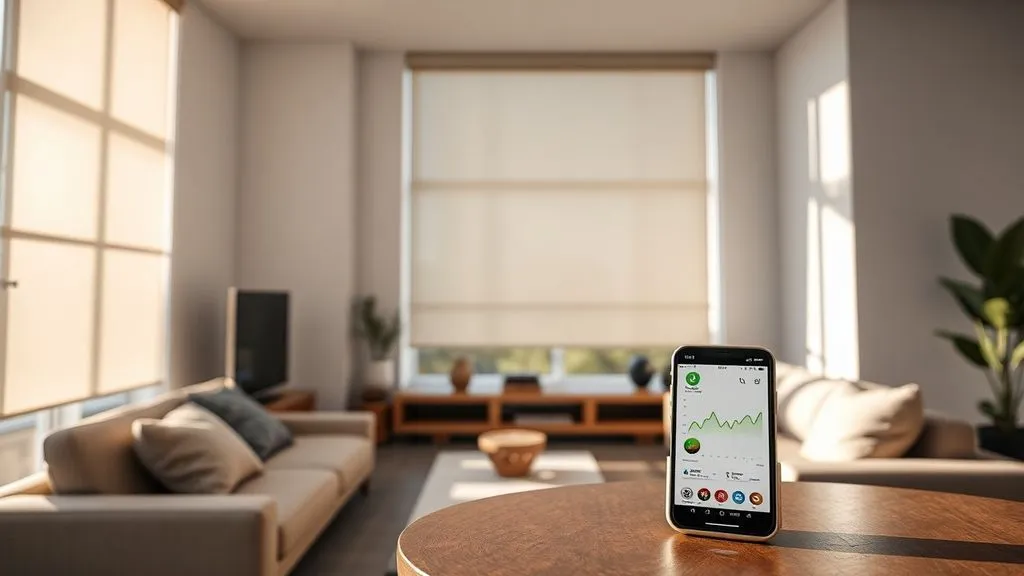
How automated window treatments cut energy use without sacrificing comfort
Dynamic shading systems respond to light and temperature sensors faster than any manual adjustment. Motionblinds research from late 2025 shows that properly automated shades can slash cooling energy demand by up to 30 percent and heating needs by 14 percent, delivering overall HVAC savings above 20 percent in typical homes. These figures come directly from field tests in sustainable buildings and remain relevant today because building codes like California Title 24 and the 2024 International Energy Conservation Code continue to reference automated daylight controls as a baseline requirement.
The mechanism is straightforward yet powerful: shades rise in the morning to harvest free solar warmth, then descend during peak afternoon heat to reduce air-conditioning loads. Over a year this translates into measurable kilowatt-hour reductions that compound across neighborhoods. What next? Homeowners who pair shades with existing smart thermostats see even tighter loops between light, temperature, and energy draw, creating a self-regulating micro-climate that feels effortless rather than engineered.
One non-obvious insight emerges when you synthesize the data: automated shades do not merely save energy; they reshape occupancy patterns in ways utility companies can now detect remotely. Because the devices log precise open-close timestamps tied to geofenced phone data, aggregated patterns reveal when entire blocks leave for work or vacation. This behavioral metadata, while anonymized in theory, carries real implications for targeted energy pricing or even insurance risk profiling in the coming years.
The cyber and privacy realities hidden behind the convenience
Every motorized shade connects through Wi-Fi, Zigbee, or Matter protocols, turning your windows into data endpoints. Bitdefender’s 2025 IoT Security Landscape Report, drawn from 6.1 million monitored homes, recorded 13.6 billion attacks between January and October alone, with each protected household facing roughly 29 daily threats. Smart-home devices, including window controls, ranked among the top three vulnerability sources.
Why does this matter for shades specifically? Unlike a smart speaker that listens only when triggered, shades continuously report position, ambient light levels, and usage schedules. A compromised unit can broadcast detailed daily routines: when you wake, when the house empties, even which rooms stay dark longest. Hackers do not need cameras; the shade data alone paints a precise occupancy map.
Trust enters the equation here. Many manufacturers store usage logs in the cloud to enable remote firmware updates and predictive scheduling. While this improves reliability, it also creates a persistent data trail. The EU Data Act, which became fully applicable in September 2025, grants users the right to access and share the data their connected products generate, shifting some control back to homeowners. Official documentation emphasizes that manufacturers must design products for easy, secure data export by default.
A second original insight surfaces from cross-referencing energy trends with threat reports: the push toward solar-powered motorized blinds, now gaining traction for true off-grid sustainability, ironically expands the attack surface. These units rely on cloud-based predictive algorithms for optimal solar tracking, meaning a supply-chain compromise in one firmware update could simultaneously affect thousands of homes and their energy-generation data. The sustainability gain becomes a cyber dependency trade-off that few marketing materials highlight.
Regulatory guardrails and their practical limits
The EU Data Act and the forthcoming Cyber Resilience Act (phased in through 2026) represent the strongest global attempt yet to force manufacturers toward secure-by-design IoT. Yet enforcement varies by region, and North American homes often fall under lighter patchwork rules. Source validation here is direct: the European Commission’s fact sheet confirms the Data Act applies to all consumer smart-home devices generating usage data, while Bitdefender’s independent telemetry validates the scale of ongoing attacks despite these rules.
What this means in daily life is simple: compliance does not equal bulletproof protection. A shade system certified under new standards still depends on your home network, password hygiene, and regular app updates. The regulation gives you rights; it does not exercise them for you.
Hypothetical scenario: one family’s unexpected wake-up call
Consider the Thompson family in a mid-sized suburban home. They installed tailor-made motorized shades throughout their open-plan living area to qualify for local green-energy rebates. The system learned their routines perfectly, dropping shades at 3 p.m. to cut air-conditioning costs by nearly 25 percent. One Tuesday, while the family was at soccer practice, a low-level botnet exploited an unpatched router vulnerability and used the shades’ API to map the house layout and confirm no one was home. Within minutes the attackers sold the occupancy data on underground forums. The family only discovered the breach when their energy provider flagged an anomalous “test” command that briefly raised every shade at midnight, a classic reconnaissance move. No physical damage occurred, yet the trust in their “set-it-and-forget-it” sustainable upgrade evaporated overnight.
When smart shades make sense and when they do not
Use them when your home network already runs segmented Wi-Fi, firmware updates are automated, and you choose vendors that publish transparent data policies aligned with the EU Data Act principles. They excel for households prioritizing measurable energy cuts and hands-free comfort, especially in regions with extreme seasonal swings or high utility rates.
- Opt for Matter-compatible models that avoid vendor-specific clouds when possible.
- Enable two-factor authentication on the companion app and review exported usage logs quarterly.
- Pair with a privacy-first router that isolates IoT traffic.
Avoid them when you rent and cannot control the router, travel frequently without reliable remote monitoring, or handle sensitive work-from-home data that could be inferred from shade patterns. Skip entirely if your current setup has outdated firmware or if you simply prefer zero cloud dependency; manual or basic motorized shades without app control still deliver solid energy benefits with far less risk.
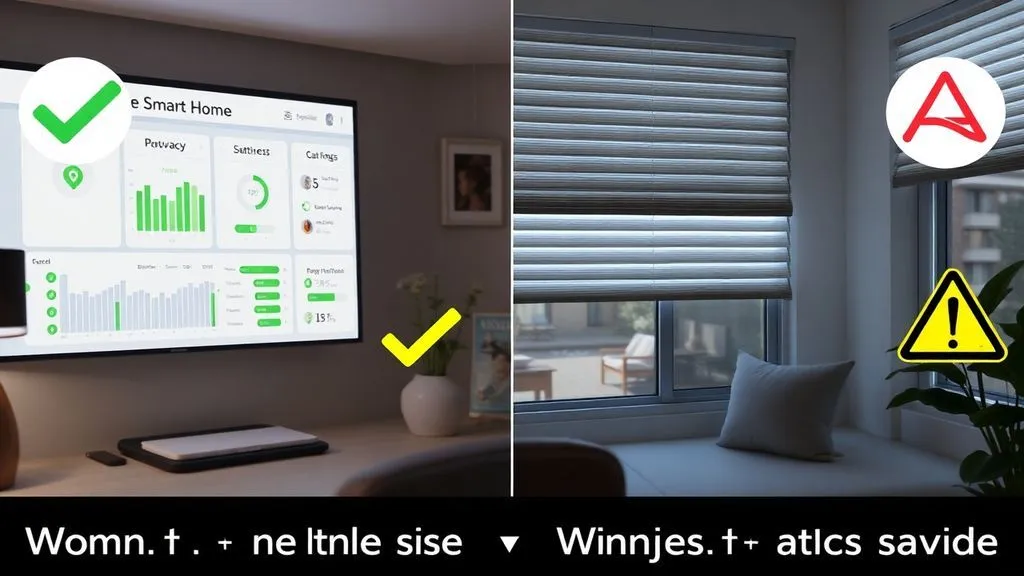
Practical steps toward trustworthy sustainable tech
Start small. Test one room with a single shade set and monitor both energy metrics and network logs for a month. Read the manufacturer’s data-sharing agreement before purchase; the EU Data Act now requires clearer language, but you still must look for it. Update passwords regularly, enable automatic updates, and consider open-source alternatives where available.
A third synthesized insight: the real future differentiator will not be how smart the shades are, but how selectively they connect. Devices that default to local-only control with optional cloud opt-in will command premium loyalty in the next 24 months, because consumers increasingly weigh privacy as heavily as kilowatt savings. Early adopters who demand this balance will push the entire category toward higher trust without sacrificing sustainability gains.
Ultimately, sustainable tech living succeeds when convenience and conscience align. Motorized shades can deliver both, provided you treat them as the connected appliances they are, not passive curtains. The data is clear, the regulations are tightening, and the choice remains yours: embrace the efficiency while locking down the risks, or keep the technology simpler until the ecosystem matures further.
Sensitive Article Disclaimer: This piece discusses cybersecurity, data privacy, and potential risks associated with connected home devices. All information is based on publicly available reports and regulatory documents as of April 2026 and is intended for general educational purposes only. It does not constitute professional security, legal, or financial advice. Readers should consult qualified experts for personalized guidance regarding their own home networks and smart devices.


COMMENTS