**Blockchain Meets Space Invaders: This Game Pays Real Bitcoin Rewards** Disclaimer on Sensitive Article: Cryptocurrency and blockchain-ba...
Disclaimer on Sensitive Article: Cryptocurrency and blockchain-based gaming involve significant financial, regulatory, and technical risks, including volatility, potential loss of funds, and evolving laws. This content is for educational purposes only and does not constitute financial, investment, or legal advice.
How a Classic Arcade Game Now Runs on Real Bitcoin Transactions
A retro-style shooter dropped into the Bitcoin mempool last week and quietly rewired how people think about play-to-earn. Called Mempool Space Invaders, the free web game turns live Bitcoin transactions into descending “whales” that players blast for points. The first person to destroy the equivalent of 10,000 BTC in on-chain value claims a 10,000-sats bounty-roughly $7.30 at current prices-from the pseudonymous developer. No tokens to buy. No NFTs required. Just your browser, real blockchain data, and timing.
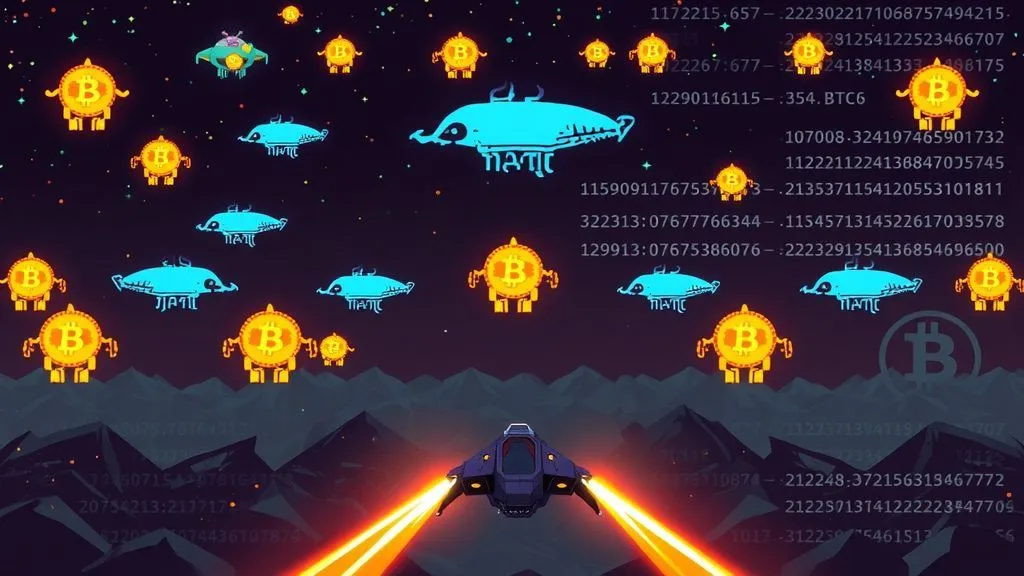
What changed is simple yet profound: blockchain made the game’s scoring engine trustless and live. Traditional games simulate economies. This one pulls directly from mempool.space, the public Bitcoin transaction queue. Each invader’s size matches the BTC amount moving; its “shield” reflects vbytes (transaction weight). Destroy it, add the value to your score. The mechanic proves blockchain’s core promise-transparent, verifiable data-can power entertainment without middlemen.
Why This Matters for Everyday Crypto Users and Gamers
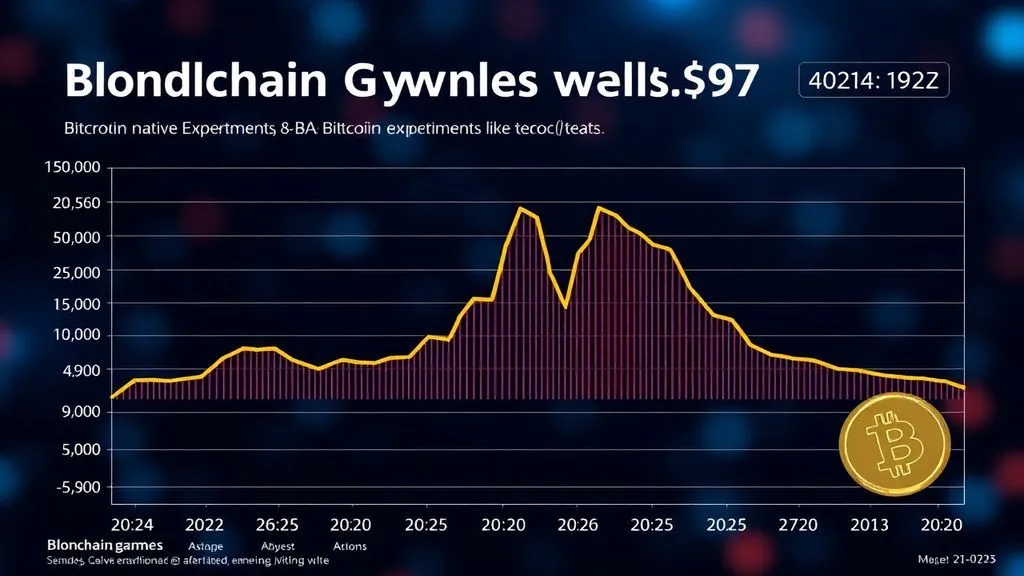
Blockchain gaming has matured far beyond 2021 hype cycles. In Q3 2025, DappRadar recorded more than 4.66 million daily unique active wallets across blockchain games, even after a modest quarterly dip. That number still leads the entire Web3 sector. The global market itself stood at $229.15 billion in 2025 and is forecast to reach $279.10 billion in 2026, according to Fortune Business Insights. These figures reflect real user behavior: people want ownership and real-world value, not just pixels.
Mempool Space Invaders adds a fresh layer. It ties fun directly to Bitcoin’s native activity rather than wrapped tokens or sidechains. Players interact with the same mempool that miners and Lightning nodes watch every day. That creates a subtle but powerful incentive loop-more engagement could nudge organic transaction volume, especially during quiet hours when smaller transfers dominate.
Inside the Mechanics: Real Blockchain Data, Real Stakes
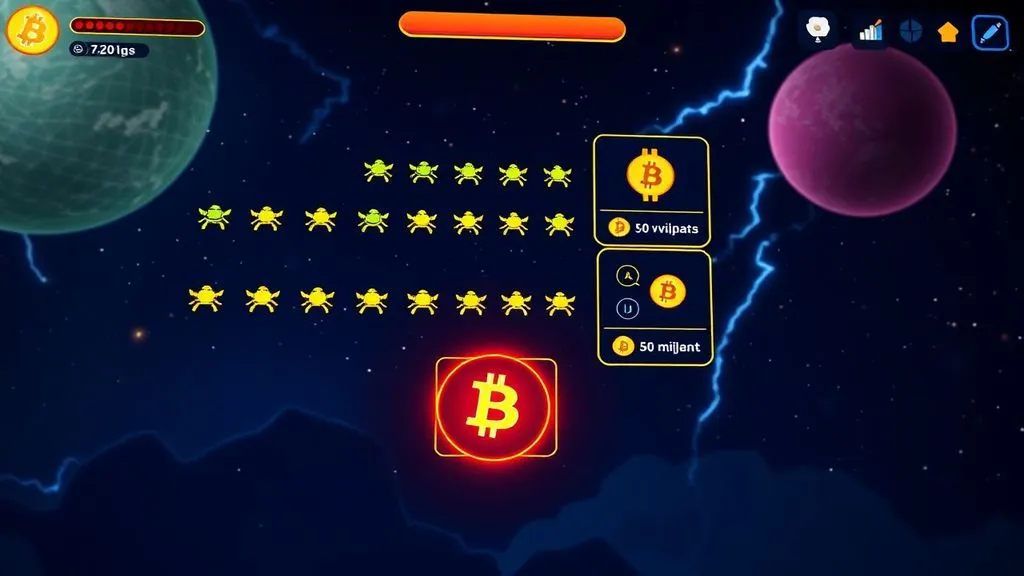
Launch the game at mempooldotspaceinvaders.space and you control a pixel ship at the bottom of the screen. Whales drop from the top. Larger BTC amounts move slower but award bigger points. Miss too many and the screen fills; game over. You can restart for free or spend 1,000 sats (about $0.73) to continue-though the developer openly notes the house edge makes paid continues a poor path to the bounty.
To win the 10,000-sats prize you must hit a cumulative 10,000 BTC destroyed. Options include pure skill during busy mempool hours, luck, or-technically-broadcasting a massive self-send transaction and blasting it. The developer’s Stacker News post lays out the rules clearly: proof must be a genuine “game over” screenshot; Nostr reposts do not count. Source validation comes straight from the public mempool.space API and the creator’s own post dated April 2026, which remains the authoritative reference because it defines the bounty terms and anti-cheat logic in one place.
Okay, this mempool-dot-space invaders game is pretty awesome. It's space invaders, but the aliens are bitcoin transactions. Also it's really hard.
— Scoresby (@BitcoinScoresby) April 10, 2026
Satoshi Nakamoto’s 2008 Bitcoin whitepaper outlined the transparent ledger that still powers every transaction today. While the document is nearly two decades old, its design choices-public mempool visibility and immutable ordering-remain the exact foundation enabling this game’s real-time scoring. No other system delivers the same tamper-proof live feed at global scale.
Cross-Jurisdiction Reality Check: Rules Differ by Country
Regulators have not ignored the intersection of gaming and crypto. In the European Union, MiCA (Markets in Crypto-Assets) standardizes licensing for crypto service providers but leaves pure skill-based games largely untouched-unless randomized rewards cross into gambling territory. Singapore’s Monetary Authority takes a lighter touch for “limited purpose digital payment tokens” used strictly inside games, provided they cannot be cashed out for fiat. The United States applies the Howey test: if players expect profit from others’ efforts, rewards could trigger securities scrutiny, especially for high-stakes bounties.
A developer launching a similar game must therefore tailor mechanics by market. EU players might see loot-box warnings; Singapore users enjoy clearer in-game asset rules; U.S. creators often add disclaimers and skill-dominant scoring to stay compliant. The result is a genuinely global experiment where the same blockchain data behaves differently depending on where you sit.
Risk Matrix: Playing Smart in Crypto-Finance Games
| Risk | Likelihood | Impact | Mitigation |
|---|---|---|---|
| Financial loss from low win probability | High | Medium | Treat as entertainment; set strict satoshi spending limits before starting |
| Regulatory changes affecting payouts | Medium | High | Monitor local laws via official sources like MAS or EU MiCA updates |
| Wallet security or phishing during play | Medium | High | Use hardware wallets for any meaningful sats and verify URLs |
| Addiction to chase mechanics | Low | Medium | Schedule fixed play sessions and track time spent |
| Volatility eroding bounty value | High | Low | Claim and move winnings immediately to cold storage |
A Hypothetical Scenario: What This Could Mean for a Small Business
Picture a marketing agency in Jakarta teaching junior staff about blockchain. Instead of dry lectures, the team spends 30 minutes competing in Mempool Space Invaders during lunch. One employee broadcasts a small test transaction from a company wallet; the group watches the “whale” appear live and cheers when it gets destroyed. The exercise costs pennies yet illustrates mempool dynamics, fee markets, and on-chain transparency better than any slide deck. Weeks later, the same team proposes a client campaign that rewards loyal customers with micro-sats for sharing verified blockchain receipts-turning education into practical crypto-finance strategy.
Three Non-Obvious Insights That Shape What Comes Next
First, this game quietly expands Bitcoin’s utility surface. Most crypto-finance conversations still revolve around holding or DeFi lending. Interactive, real-time data feeds like the mempool create new engagement channels that could drive sustained transaction demand without relying on hype cycles. Industries from remittance firms to supply-chain trackers may soon borrow the same pattern: turn live ledger events into gamified dashboards.
Second, it highlights a maturing shift away from NFT speculation toward verifiable on-chain utility. Earlier play-to-earn titles often collapsed when token prices fell. Here, the reward-though small-rests on Bitcoin’s native scarcity and the public mempool itself. That design reduces rug-pull risk and aligns player incentives with network health.
Third, expect hybrid models to proliferate. Future titles could layer Lightning payments for instant power-ups or integrate ordinals for cosmetic upgrades. The implication for readers: treat these experiments as low-cost ways to build blockchain literacy. Start with free-to-play titles, track your own on-chain footprint, and gradually explore higher-stakes DeFi tools only after understanding the underlying rails.
What Readers Should Do Now
Try the game at your own pace-bookmark mempooldotspaceinvaders.space and experiment during different mempool hours to see how activity levels affect difficulty. Keep a separate Lightning wallet with tiny test amounts so you never risk core savings. Read the developer’s full Stacker News post and mempool.space documentation to grasp the data flow before diving deeper into similar projects. Finally, discuss these mechanics with friends or colleagues across borders; the cross-jurisdiction differences alone spark richer conversations about the future of money and play.
Blockchain no longer sits in the background. It has stepped onto the screen, turned transactions into targets, and handed ordinary players a tiny but genuine stake in the network’s daily pulse. The next move belongs to you-play, observe, and decide how much of this new frontier fits your own financial journey.
Disclaimer End of article: Cryptocurrency and blockchain-based gaming involve significant financial, regulatory, and technical risks, including volatility, potential loss of funds, and evolving laws. This content is for educational purposes only and does not constitute financial, investment, or legal advice. Always consult qualified professionals and conduct your own research before participating in any crypto-related activity.


COMMENTS