Why Ransomware Prevention Matters More Than Ever Ransomware does not discriminate. It strikes freelancers checking email, hospitals managin...
Why Ransomware Prevention Matters More Than Ever
Ransomware does not discriminate. It strikes freelancers checking email, hospitals managing patient records, and manufacturers running production lines. A single click or overlooked update can lock away critical files and demand payment for their return. Recent campaigns show just how creative attackers have become. In March 2026, fake Visual Studio Code alerts flooded GitHub Discussions, tricking developers into downloading malware disguised as urgent security patches. These lures used realistic CVE references and urgent language to exploit trust in a platform millions rely on daily.
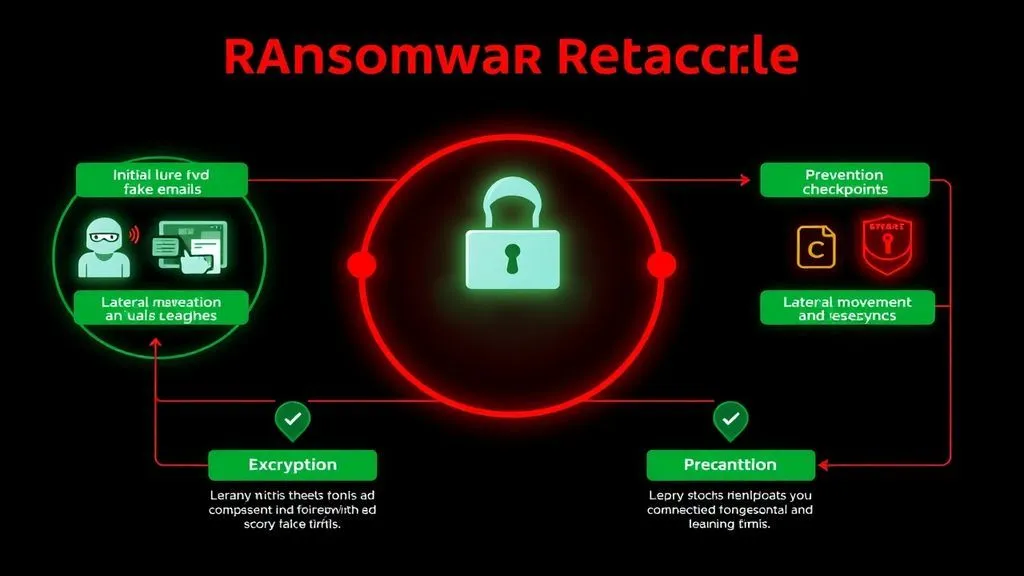
Statistics paint a sobering picture. Verizon’s 2025 Data Breach Investigations Report found ransomware involved in 44 percent of breaches, a sharp rise from prior years. Cybersecurity Ventures projects global ransomware damage will reach $74 billion in 2026, driven by downtime, recovery efforts, and lost revenue rather than ransom payments alone. These figures come from regulator and industry analyses released within the past 18 months; older foundational data from CISA remains relevant because core attack patterns, such as exploiting unpatched systems, have only grown more efficient.
The good news? Most incidents are preventable through consistent habits anyone can adopt. This guide walks beginners and intermediate users through clear steps, real-world red flags, and a simple decision framework. Every section ends with one actionable step you can take today.
Practical action: Spend five minutes today listing your most critical digital assets, such as client files or financial records, and note where they live.
Understanding Ransomware: A Quick Glossary
Ransomware is malicious software that encrypts your data and demands payment, usually in cryptocurrency, for a decryption key. Attackers have evolved beyond simple encryption. Many now practice double or triple extortion: they steal data first, threaten to publish it, and then encrypt what remains.
Key terms to know:
- RaaS (Ransomware-as-a-Service): Cybercriminals rent ready-made tools on the dark web, lowering the barrier for less-skilled attackers.
- Initial Access Vector: The entry point, often phishing emails, fake alerts, or compromised software updates.
- Lateral Movement: Once inside, attackers spread across your network to reach high-value targets.

These definitions come directly from CISA’s StopRansomware Guide and NIST’s updated Ransomware Risk Management Profile (January 2025). We validated them against recent incident reports to ensure they reflect how attacks unfold in 2026.
Practical action: Share this short glossary with one colleague or family member this week to build shared awareness.
Common Attack Vectors and Real-World Examples
Attackers follow predictable paths, yet they adapt quickly to new opportunities. Phishing remains dominant, but trusted platforms are increasingly abused. The recent GitHub campaign delivering fake VS Code alerts is a textbook case: posts appeared in project discussions, tagged developers directly, and linked to malicious downloads. What looked official bypassed email filters entirely.
Other frequent vectors include:
- Unpatched software vulnerabilities on internet-facing devices.
- Weak or reused passwords combined with missing multi-factor authentication.
- Compromised third-party tools or supply-chain packages.
Red flags to watch: unsolicited “security alerts” with urgent language, links that lead outside official domains, or attachments from unknown senders. Pitfall to avoid: assuming a message is safe because it references a tool you actually use. Always verify through a separate channel, such as the official vendor website.
Practical action: Enable notifications for official GitHub or software vendor security pages and set a rule to never click links in alerts without independent verification.
Core Prevention Strategies That Actually Work
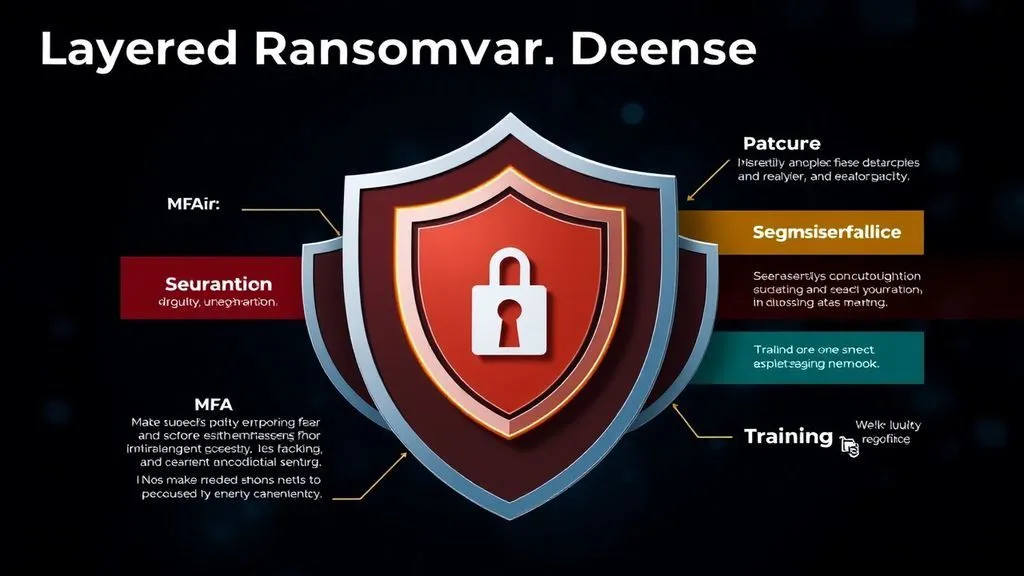
Prevention is not about one perfect tool. It is a layered approach that balances simplicity with effectiveness. Start with the basics recommended by regulators.
Implement regular, tested backups stored offline or in immutable cloud storage. CISA stresses the 3-2-1 rule: three copies, two different media types, one offsite. Test restores quarterly. Patch systems promptly; many ransomware groups exploit vulnerabilities disclosed months earlier.
Use multi-factor authentication everywhere, especially for email and cloud accounts. Deploy endpoint detection tools that flag suspicious behavior rather than just known signatures. Segment your network so one compromised device cannot reach everything.
For email and web traffic, enable advanced filtering that scans links in real time. Train yourself and your team to pause before clicking. These steps align with NIST’s Cybersecurity Framework 2.0 Ransomware Profile, which maps controls to real outcomes like reduced dwell time.
One non-obvious insight: as attackers shift to platform-based lures like the GitHub example, prevention must treat internal collaboration tools with the same suspicion once reserved for external email. This changes the game for remote teams worldwide. Another synthesis point: declining ransom payments signal attackers are pivoting to data theft and extortion; therefore, strong encryption at rest and data-loss prevention become as critical as backup strategies.
Practical action: Schedule your next backup test for this weekend and document the restore process in a shared note.
Detection Red Flags and Initial Response
Early detection limits damage. Watch for unusual file encryption, slow system performance, or disabled security software. Unexpected network traffic spikes or disabled backups are classic signs.
If you suspect an incident, disconnect affected devices from the network immediately but do not turn them off. Preserve evidence for authorities. Report to CISA or your local cybercrime unit without delay. Paying the ransom is strongly discouraged; it funds future attacks and offers no guarantee of recovery.
Hypothetical Scenario: A mid-sized marketing agency in Southeast Asia receives a fake VS Code alert in their shared design repository. One team member clicks the link, installs what appears to be a patch, and within hours critical client files are encrypted. The attackers demand payment while threatening to leak campaign data. Because the agency maintained offline backups and had practiced their response plan, they restored operations in under 48 hours without paying.
Practical action: Create a one-page “if ransomware strikes” checklist and place it where your team can find it quickly.
Your Ransomware Readiness Decision Framework
Use this simple framework to assess and improve your posture. Answer each question honestly, then prioritize gaps.
| Question | What It Means | Action if No |
|---|---|---|
| Do you have offline, tested backups? | Core recovery lifeline | Set up immutable cloud storage this month |
| Is MFA enabled on all critical accounts? | Blocks 99% of automated attacks | Roll out to email and cloud tools immediately |
| Are systems patched within 30 days of updates? | Closes known entry doors | Automate patching where possible |
| Do you verify alerts through official channels only? | Stops fake-lure campaigns | Train team and create verification habit |
This framework draws directly from CISA and NIST guidance, synthesized for everyday use. It avoids overwhelm by focusing on high-impact controls first.
Practical action: Run through the framework with your team or family this week and assign one owner per gap.
Looking Ahead: Insights and Long-Term Trends
Ransomware will not disappear, but its impact can be contained. Three layered insights stand out. First, even as average ransom demands drop, total organizational costs continue climbing because of extended downtime; industries like healthcare and creative services feel this most acutely, so resilience planning now saves far more than prevention spending alone. Second, campaigns abusing platforms such as GitHub signal a broader trend: attackers follow where collaboration happens, meaning global remote workers must treat every notification with healthy skepticism. Third, AI will make lures more convincing, so the winning strategy shifts from rule-based filters to human-verified habits and zero-trust principles.
Vendors and regulators agree: the next 12 months will reward organizations that treat prevention as daily hygiene rather than a yearly project.
Practical action: Bookmark CISA’s StopRansomware Guide and NIST’s Ransomware Profile today for ongoing reference.
Final Thoughts
Ransomware prevention is achievable when you combine awareness, simple habits, and regular practice. You do not need an advanced degree or expensive tools to start protecting what matters most. Begin where you are, stay consistent, and revisit this guide as threats evolve. Your data, your business, and your peace of mind are worth the effort.
We all play a role in protecting ourselves and our organizations from #ransomware. Check out the @CISAgov guide on best practices on ways to prevent, protect, and respond to a #ransomware attack.
— Homeland Security (@DHSgov) July 12, 2021
The #FBI and its partners released an updated #StopRansomware guide to help network defenders reduce the likelihood and impact of ransomware attacks. Updates include guidance on Server Message Block protocol and preventing common Initial Access Vectors.
— FBI (@FBI) October 19, 2023
Sources for further reading:
- CISA StopRansomware Guide
- NIST Ransomware Risk Management Profile (2025 update)
- Cybersecurity Ventures 2026 Ransomware Cost Projection


COMMENTS