Regulatory landscapes shape how digital assets operate worldwide, ensuring safety amid evolving threats. Indonesia's approach through it...
Regulatory landscapes shape how digital assets operate worldwide, ensuring safety amid evolving threats. Indonesia's approach through its Financial Services Authority stands out for balancing innovation with protection. Recent events, such as a U.S. court dismissing claims against a major exchange for alleged ties to illicit activities, highlight why robust frameworks matter globally.
Defining OJK and Its Role in Crypto Oversight
Established as Indonesia's integrated financial regulator, OJK oversees banking, capital markets, and non-bank institutions. Transitioning crypto supervision from Bappebti marked a pivotal shift in 2025, classifying digital assets under financial innovations rather than commodities.
Crypto assets encompass cryptocurrencies, tokenized securities, and other digital financial instruments. Under OJK, these fall into categories like backed and unbacked assets, each with specific trading requirements. Operators must register, demonstrating compliance with anti-money laundering protocols and risk management standards.
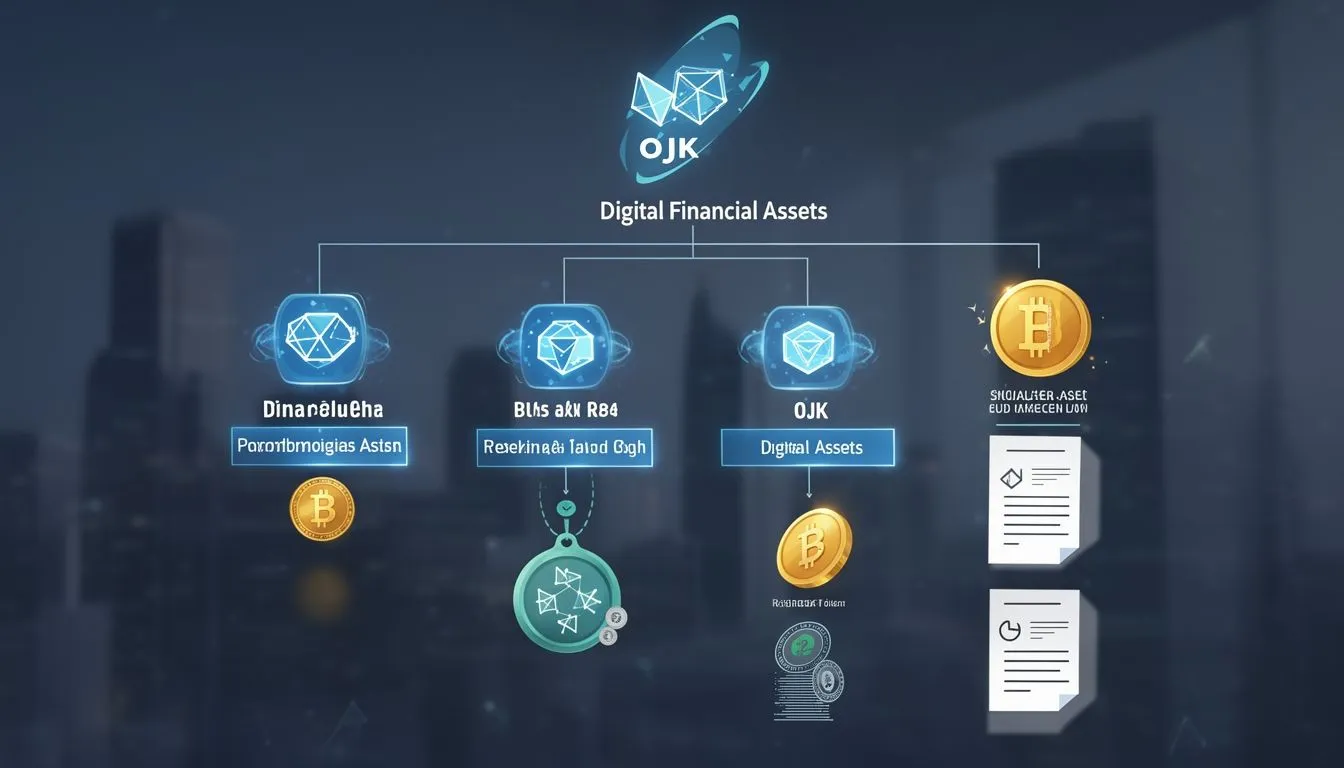
Supervision extends to technological innovations, where sandbox programs test new models before full deployment. Approved entities gain licenses, allowing operations within defined boundaries.
Core Elements of OJK Crypto Regulations
POJK 27/2024 sets the foundation for digital financial asset trading, including crypto.
Amendments like POJK 23/2025 introduced derivatives trading, aligning with international practices while imposing stricter reporting.
POJK 30/2025 enhances governance for financial sector tech innovations, requiring boards to oversee risks actively.
Licensed exchanges, numbering 29 as of early 2026, must list approved assets only—over 1,400 crypto types qualify after rigorous evaluation.
Sandbox participation allows testing, with graduates like PT Indonesia Blockchain Persada registering formally.
Common Mistakes When Engaging with OJK-Regulated Crypto
Overlooking AML checks leads to penalties; operators sometimes neglect ongoing monitoring, assuming initial verifications suffice. Another pitfall involves misclassifying assets, treating unbacked crypto as securities without proper disclosures.
Investors often ignore platform licensing, trading on unregistered sites exposed to scams. Failing to report suspicious transactions breaches CFT obligations, inviting sanctions.
Businesses underestimate sandbox requirements, submitting incomplete applications that delay approvals. Relying on outdated compliance policies ignores amendments, such as those for derivatives.
Promotional errors abound, with influencers endorsing unlicensed platforms despite bans, risking fines. Exchanges occasionally bypass segregated fund rules, endangering user assets during volatility.
Decision Framework for Crypto Participation Under OJK
Assess your role: investor, trader, or provider? Investors verify platform licenses via OJK's portal before depositing funds. Traders evaluate asset listings against approved catalogs to avoid illicit trades.
Providers map business models to regulatory categories—spot trading, derivatives, or tokenization—then align with capital thresholds. Conduct risk audits covering cybersecurity and operational resilience.
Weigh costs: licensing fees and compliance tech investments versus market access benefits. Monitor updates through OJK announcements to adapt strategies promptly.
Integrate AML tools early; decide on sandbox entry if innovating. For global operations, compare OJK rules with international standards to ensure cross-border compliance.
Hypothetical Example Scenario
Consider a mid-sized fintech firm launching a tokenized gold platform in Indonesia. Without checking OJK guidelines, they promote via influencers and list on an unlicensed exchange. Transactions spike, but a cyber breach exposes user data, triggering investigations.
OJK imposes sanctions for non-compliance with POJK 30/2025 governance rules. The firm retrofits systems, enters the sandbox belatedly, and restructures promotions—delaying launch by months and incurring losses. This underscores verifying licenses and building robust security from inception.
Global Parallels: Lessons from Recent Crypto Legal Cases
Court rulings elsewhere reinforce OJK's emphasis on integrity. A Manhattan judge dismissed claims linking a prominent exchange to 64 terrorist incidents, citing insufficient evidence of intent.
False news is temporary. Truth always comes with time. 💪 Adding some logic here. There are absolutely zero (0) motive for any CEX to have anything to do with terrorists. I imagine they don't actively trade (no fee revenue).
— CZ 🔶 BNB (@cz_binance) March 7, 2026
Indonesia's rules echo this by mandating vigilant monitoring, preventing misuse while fostering growth.
Dari OJK ada 3 regulasi crypto baru nih : 1. influencer nggak boleh promo exchange / platform luar negeri 2. Influencer nggak boleh promo in token 3. exchange lokal nggak boleh pake billboard lagi sepertinya . sadd 🥲
— Gabriel Rey (@GabRey99) July 9, 2024
Action Points for Compliance
- Verify exchange licenses on OJK's official site before trading.
- Implement AML training and tools to flag unusual activities.
- Submit business plans annually if operating as a provider.
- Monitor OJK updates quarterly for regulatory changes.
- Enter sandbox for innovative models to test compliance safely.
Disclaimer: This article provides informational content only and does not constitute legal or investment advice. Consult professionals for personalized guidance.


COMMENTS